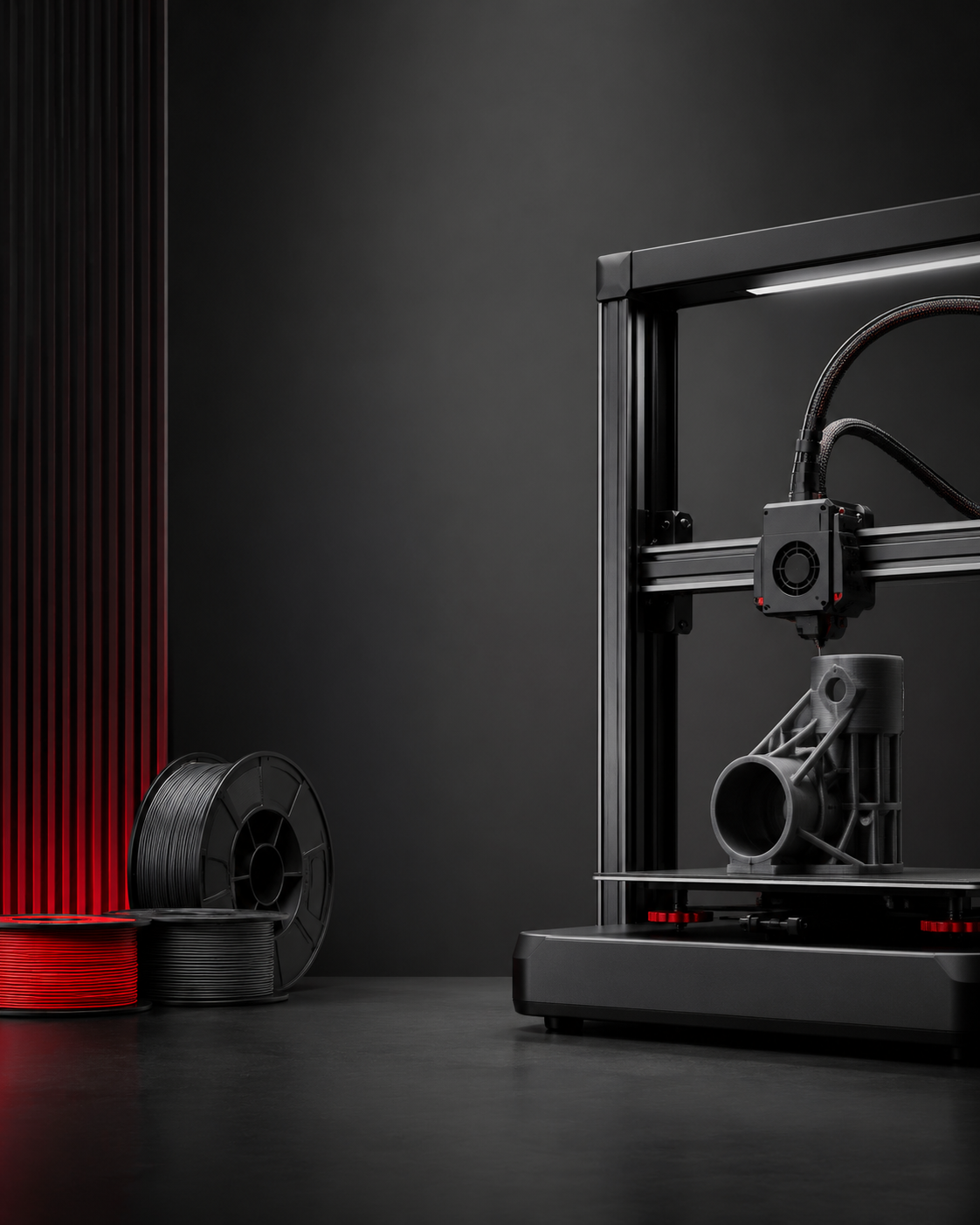
3D printing gives us the ability to manufacture components directly from digital designs.
Applications can range from small functional parts to large automotive components, prototypes, tooling, fixtures, body panels, molds, templates, and multi-piece assemblies.
The important question is not simply whether something can be printed.
It is whether printing is the right way to solve the problem.
3D PRINTING
What We Offer
-
A prototype turns an assumption into something we can physically test.
We use rapid prototyping to evaluate fitment, clearances, mounting, proportions, ergonomics, appearance, and function before committing to a final design.
If something needs to change, we change it and test again.
-
3D scanning allows us to capture existing geometry and bring the vehicle itself into the design process.
Parts, surfaces, openings, mounting locations, and surrounding structures can become digital references for designing components that need to interact with the real vehicle.
-
Ideas become easier to build when they become digital models.
Using CAD and other digital design tools, we can develop components around scans, measurements, reference parts, packaging requirements, and intended use.
-
If the part exists but the design files do not, the physical component can become the starting point.
Scanning, measurements, CAD, and prototyping allow us to recreate, modify, or rethink components for replacement or new applications.
Our Process
START WITH THE APPLICATION
Before anything is printed, we look at what the part actually needs to do. Fitment, heat, load, surface finish, mounting, environment, and intended use all influence how the project should be approached.
BUILD THE DIGITAL FOUNDATION
We work from supplied CAD, measurements, scans, existing parts, or reference geometry to prepare the model for production. Tolerances, clearances, wall structure, mounting points, and manufacturability are considered before the print begins.
VALIDATE THE CRITICAL DETAILS
Not every project needs a full-size first attempt. Test sections, fitment pieces, scale checks, or early prototypes can be used to verify the areas that matter most before committing time and material to the final part.
PREPARE IT FOR REAL USE
Once the geometry is proven, we match the print strategy to the application. Material choice, orientation, reinforcement, hardware, assembly, and finishing are all considered so the result is built around how it will actually be used.
Completed Projects
-
![]()
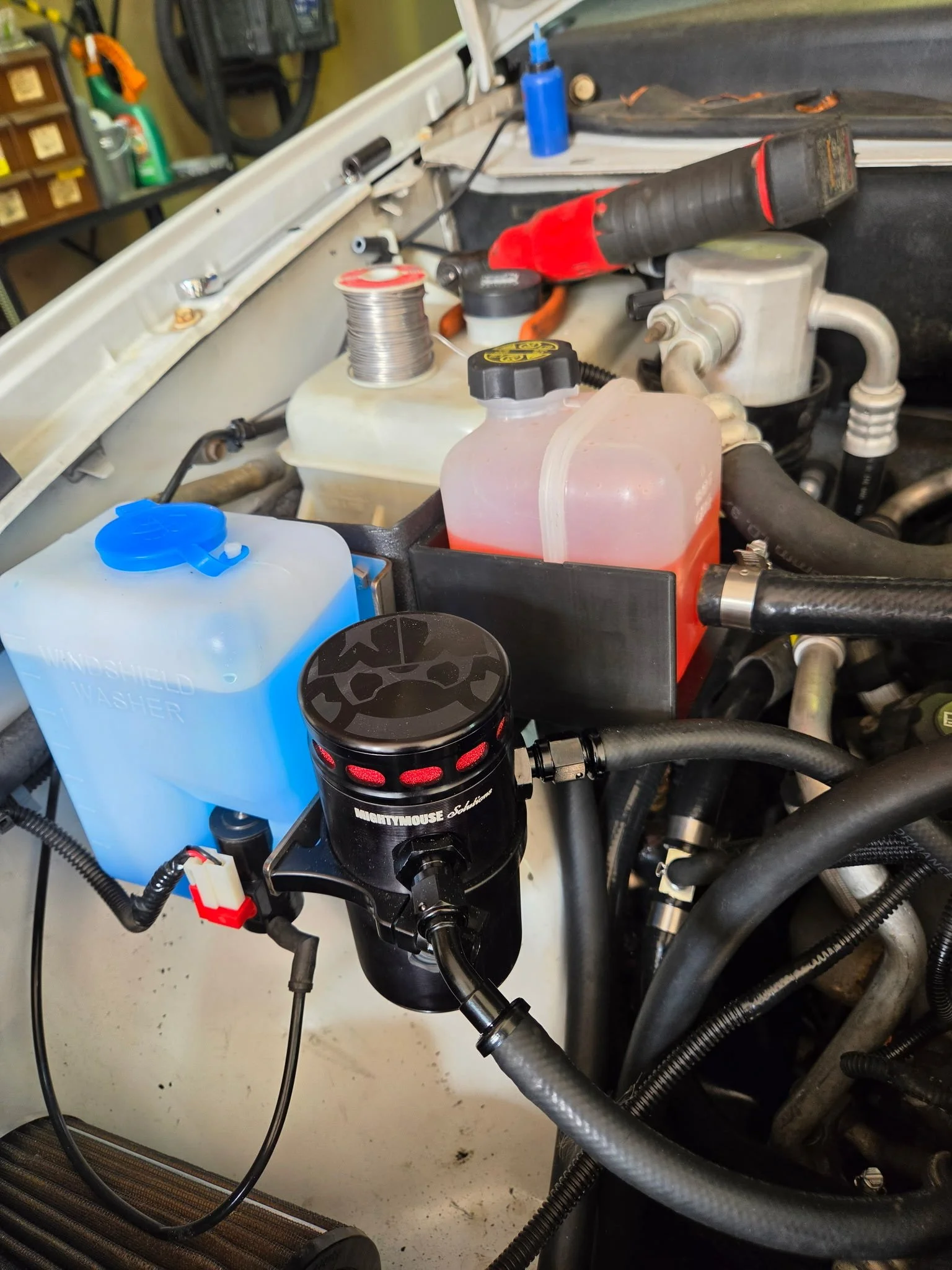
Coolant Bottle Holder
-
![]()
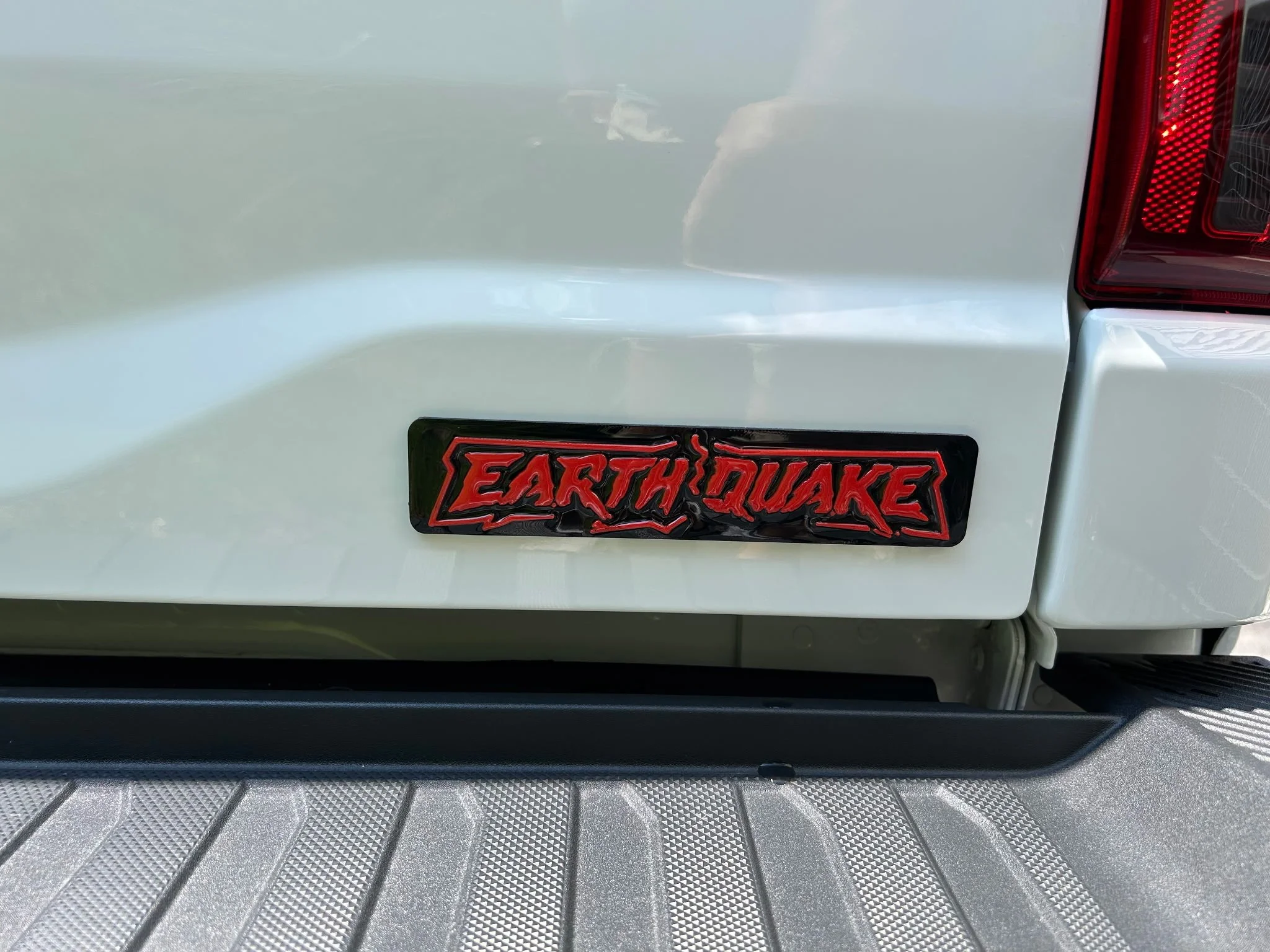
Custom Badge
-
![]()
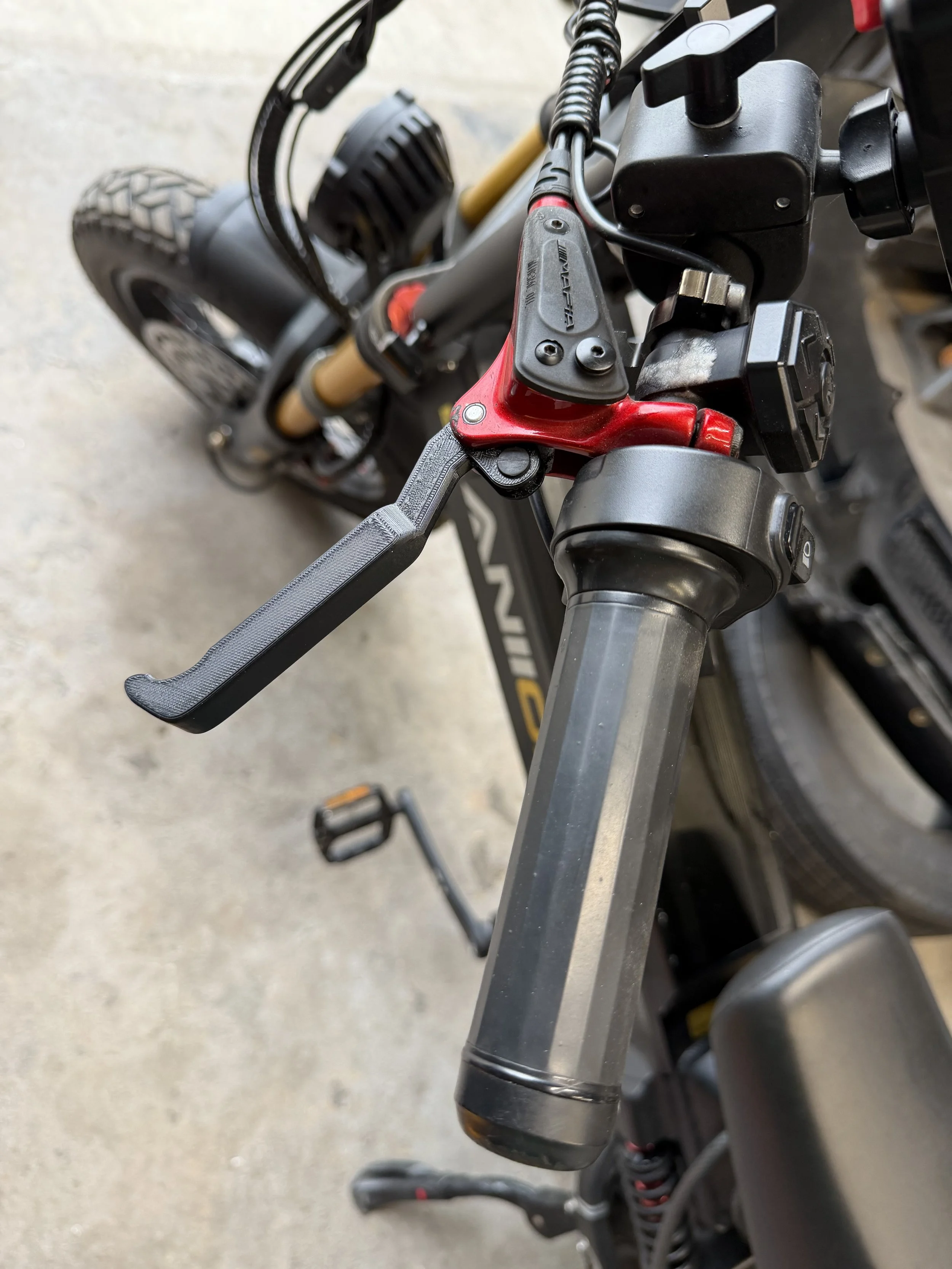
Custom Brake Lever
-
![]()
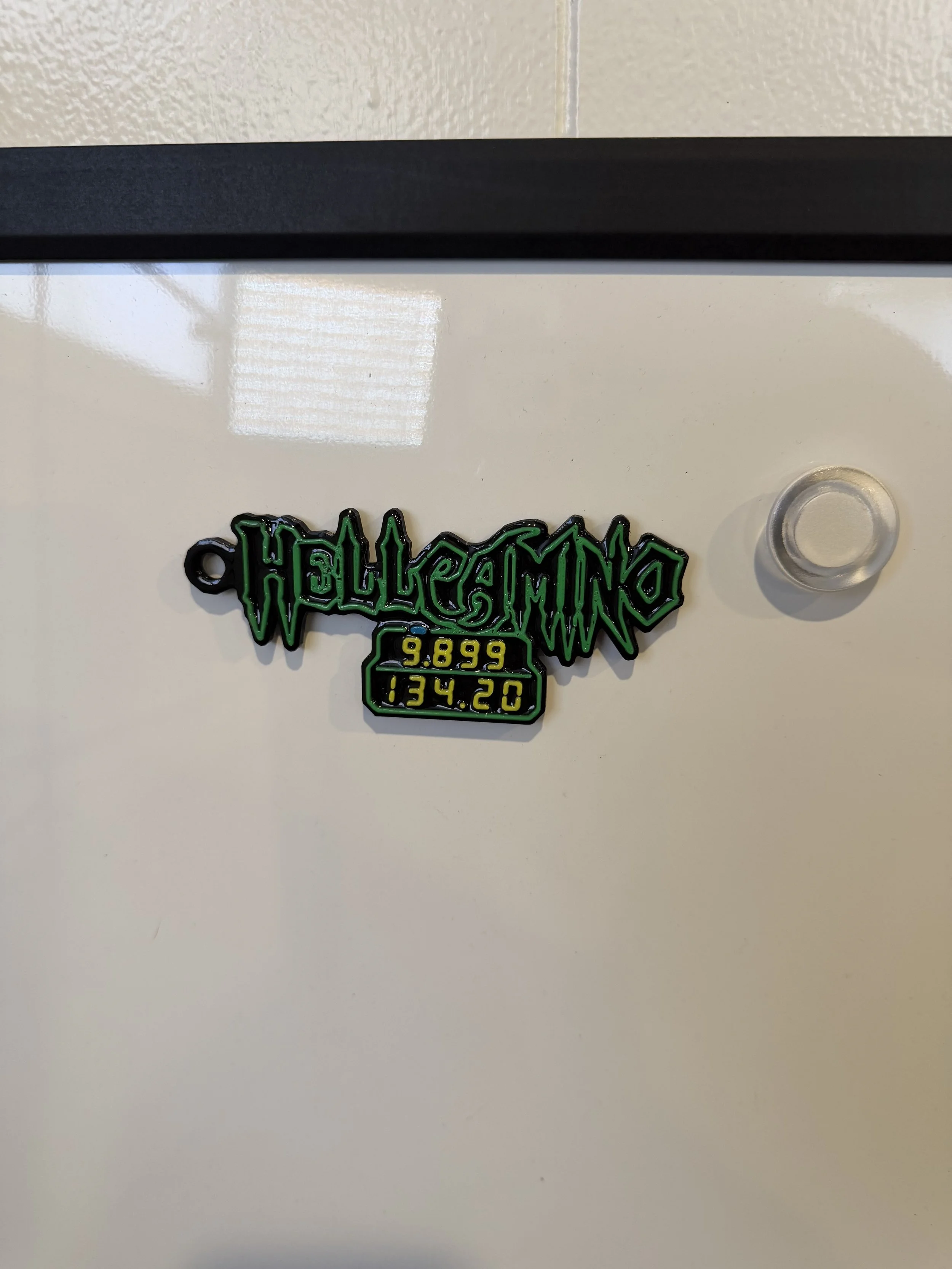
Magnet
-
![]()
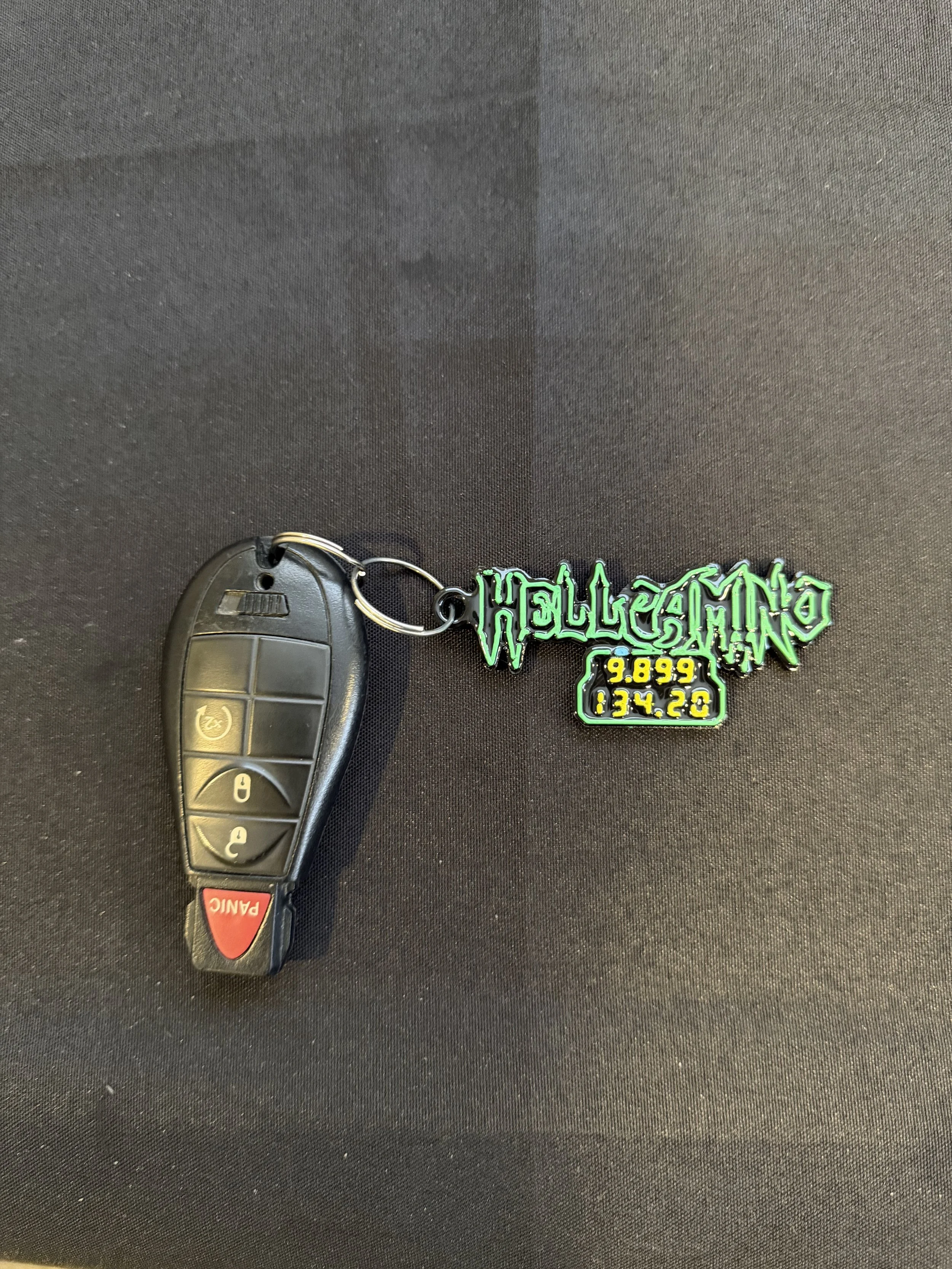
Keychain